|
| |
We are an American Red Cross National Service Provider. |
|
|
|
|
First Aid/CPR/AED for Schools and the Community
One of our most popular courses, it is great for community needs. This course combines lectures, demonstrations and video with hands-on training and practice. Participants in this course learn to recognize and respond to emergencies including shock, cardiac and breathing emergencies for adults, children and infants, heat and cold emergencies, sudden illnesses and poisonings. Additionally, participants will learn first aid for everything from cuts and scrapes to muscle, bone and joint injuries.
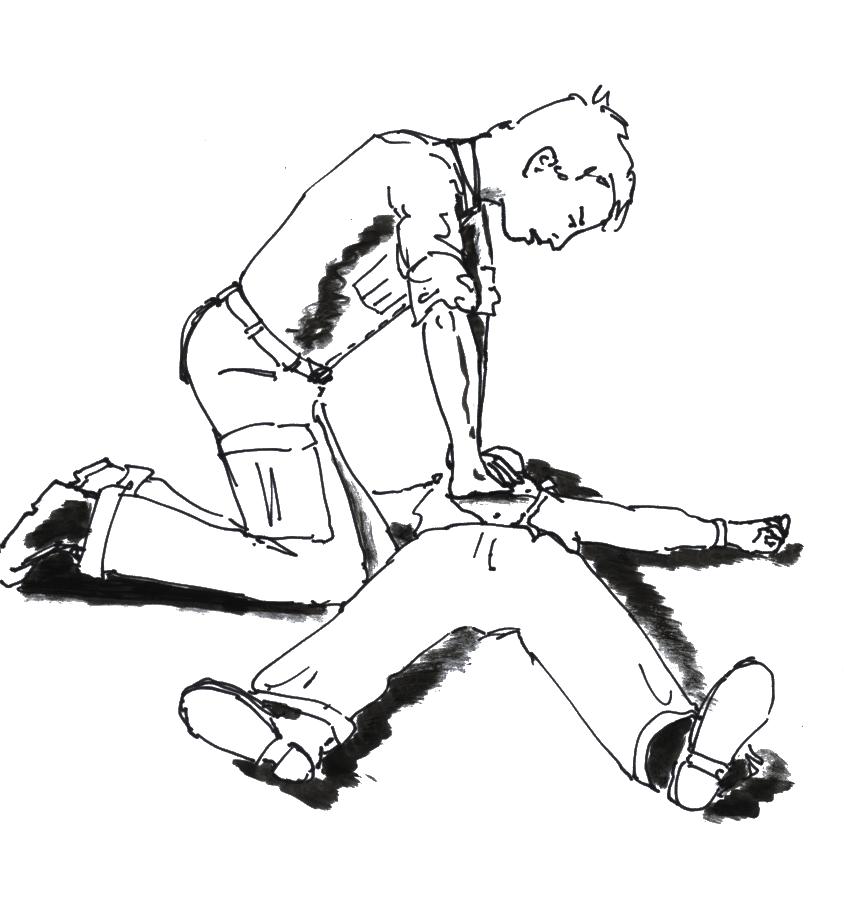
CPR
Adult: For the person who only needs adult CPR training, this hands-on skills training prepares them to respond to breathing and cardiac emergencies in adults. Adult CPR/AED is available in a 4-1/2 hour course with AED training included.
Child, Infant: Designed for those who care for children, either full time or occasionally, this course teaches participants how to recognize and care for breathing and cardiac emergencies in infants and children age 12 and younger. CPR - Infant is available separately as a 3-3/4 hour course that applies to infants up to 12 months; CPR - Child (3-3/4 hours) is available separately and applies to children between the ages of 1 and 12.
AED
Adult, Child, Infant: This course teaches individuals currently certified in CPR - Adult and CPR - Child how to safely use an AED to provide care for victims of sudden cardiac arrest.
OSC can develop a training program that can combine any and all of the above listed Red Cross First Aid and CPR/AED training sections for you, your family, employees and company.
| |
Federal Safety regulation O.S.H.A.
29 CFR 1910 for general industry and 29 CFR 1926 for construction, all businesses must provide access to first aid services when their employees do not have immediate access to an E.M.S. Agency or medical clinic.
Specifically,
1910.151(b) "in the absence of an infirmary, clinic, or hospital in near proximity to the workplace... A person or persons shall be adequately trained to render first aid."
1926.50(c) "in the absence of an infirmary, clinic, or hospital that is reasonably accessible in terms of time and distance to the worksite, a person who has a valid certificate in first aid training that can be verified by documentary evidence,shall be available at the worksite to render first aid."
|
|
|
Basic Aid Training (BAT)
Age Range:
8-10 years
This program teaches First Aid procedures for handling breathing difficulties, bleeding, poisoning, burns and shock. Through a series of interactive quizzes, activities and games, BAT also empowers children to prevent many accidents by giving them the basic skills they need to identify potentially harmful situations. Each child receives an activity booklet to take home. You may schedule a portion of the program for a one-time presentation, or arrange for a series of presentations covering the entire 6-hour curriculum.
Contact us for more information about this program and how we can deliver it at your location.
|

|
|
|
First Aid for Children Today (FACT)
Age Range:
5 to 8
The FACT Critter Clan leads kids ages 5 to 8 through health promotion and injury prevention activities.This program helps children understand the importance of managing their own health and safety, as well as the health of the environment in which they live. Using stories featuring animal characters, FACT deals with topics such as First Aid, calling 911, road safety, being home alone, healthy living habits and the environment. Each child receives a Fun Book to take home. You may schedule a portion of the program for a one-time presentation, or arrange for a series of presentations covering the entire 14-hour curriculum.
|
|
Training for Emergencies in Wilderness and Remote Environments
Whether you’re a scout, an outdoor enthusiast or you work in a remote environment, our Wilderness and Remote First Aid course gives you the skills you need to respond to an emergency when help may be delayed.
Topics include:
- Primary and Secondary Assessments
- Head (Brain), Neck and Spinal Injuries
- Heat-Related Emergencies and Hypothermia
- Altitude-Related Illnesses, Allergies and Anaphylaxis
- Bone and Joint Injuries and Burns
- Wounds and Wound Infection
- And more!
The course is based on the Boy Scouts of America Wilderness First Aid Curriculum and Doctrine Guidelines and offers enhanced content and topics to meet OSHA’s Best Practices for Workplace First Aid Training Programs. The program offers flexibility for organizations and their instructors to adapt the course to varying environments
.
Course Length - 16 hours
Cost - $130 per attendee.
Contact us for more information on scheduling training for individuals as well as groups and companies.
|